
Aquator Class 1 Oil Water Separators
The Aquator Class 1 commercial oil water separator removes fuel, oil and other light liquid pollutants from contaminated wastewater before it reaches the drain. It has two chambers in one fibreglass tank, with coalescing media, and comes in many sizes.
Aquator oil water separator range
Mullaly's dual chamber oil water separators, also called oil and water separators, are designed to separate light liquid pollutants, such as fuel and oil, from contaminated wastewater before it reaches the drain. The Aquator Class 1 commercial oil water separator is available in many sizes, with two chambers in one fibreglass tank, and custom-made tanks can be supplied on request.
The Aquator range suits a wide range of applications, including:
- Service stations
- Refuelling areas
- Power stations
- Substations and switchyards
- Mining and heavy vehicle maintenance
- Wind farms
- Waste transfer depots
- Asphalt plants
Oily water, hydrocarbon and stormwater oil separators
The same equipment is also called an oily water separator, an oil and water separator or a hydrocarbon separator. Where it treats runoff before it reaches the stormwater drain, it is often called a stormwater oil separator.
Class 1 oil separator
A Class 1 separator is one made and tested to meet the Class 1 outlet limit in BS EN 858-1. The Aquator is a Class 1 oil separator: it is made to meet or exceed BS EN 858-1:2002, and the light liquid content at the outlet is below 5mg/L (5ppm). Our oil water separator guide explains how Class 1 separators compare with coalescing plate separators and triple interceptors.
Oil water separator specifications
Full details are in the Aquator technical data sheet (TD_TDS_007).
How the Aquator coalescing separator works
All collected liquid is treated, and no bypassing is possible.
First chamber
Hydrocarbons and silt are captured and stored in the first chamber.
Second chamber
Any remaining hydrocarbons are filtered out by the coalescing filter in the second chamber. The coalescing process lets the smaller droplets of light liquid pollutants join up and separate, which brings the light liquid content at the outlet below 5mg/L (5ppm).
Emergency stop valve
If there is a significant fuel, oil or hydrocarbon spill, or the oil containment area fills over time, the emergency stop valve activates automatically so the pollutants can't discharge to the drain or waterways.
No power needed
The Aquator is gravity operated, so it keeps working at full effectiveness even in a power failure.
Advantages
Strength
Every Aquator has integral ribs for strength, and goes through testing during manufacture and again before it leaves the factory.
Durability
Every Aquator is made from virgin resin and glass fibre reinforcement, for long-term protection and a long life underground.
Meets industry standards
Aquators are made to meet or exceed the requirements of BS EN 858-1:2002, and are independently tested to make sure they continue to meet it.
Technical support
Tank Solutions can give application and installation advice and support for your project.
Independently tested
The Aquator oil water separator has been through extensive third-party, independent testing to verify that it complies with BS EN 858-1:2002.
Aquator oil water separator photos

Action bus depot, Greenway ACT, 2015
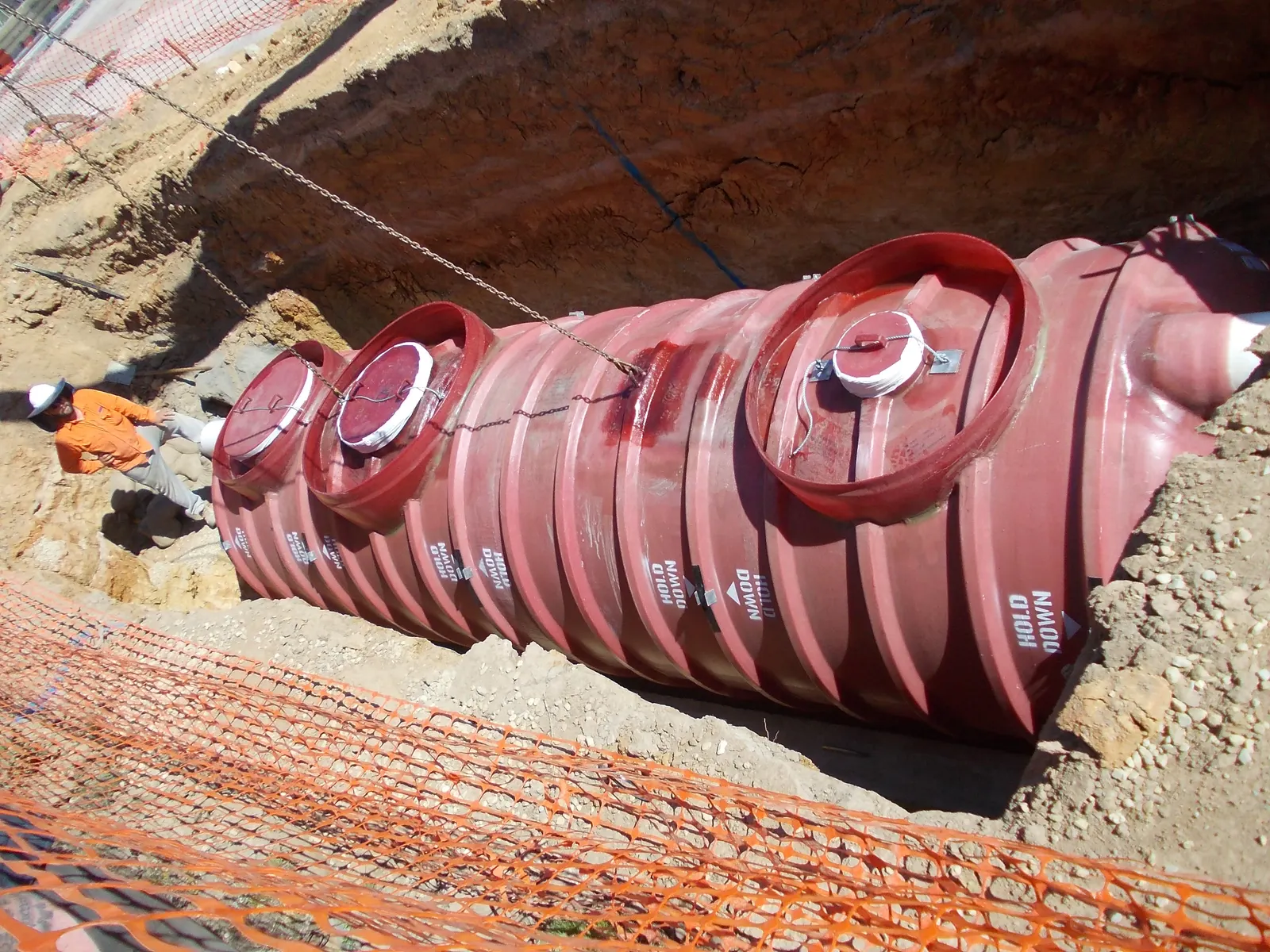
Action bus depot, Greenway ACT, 2015
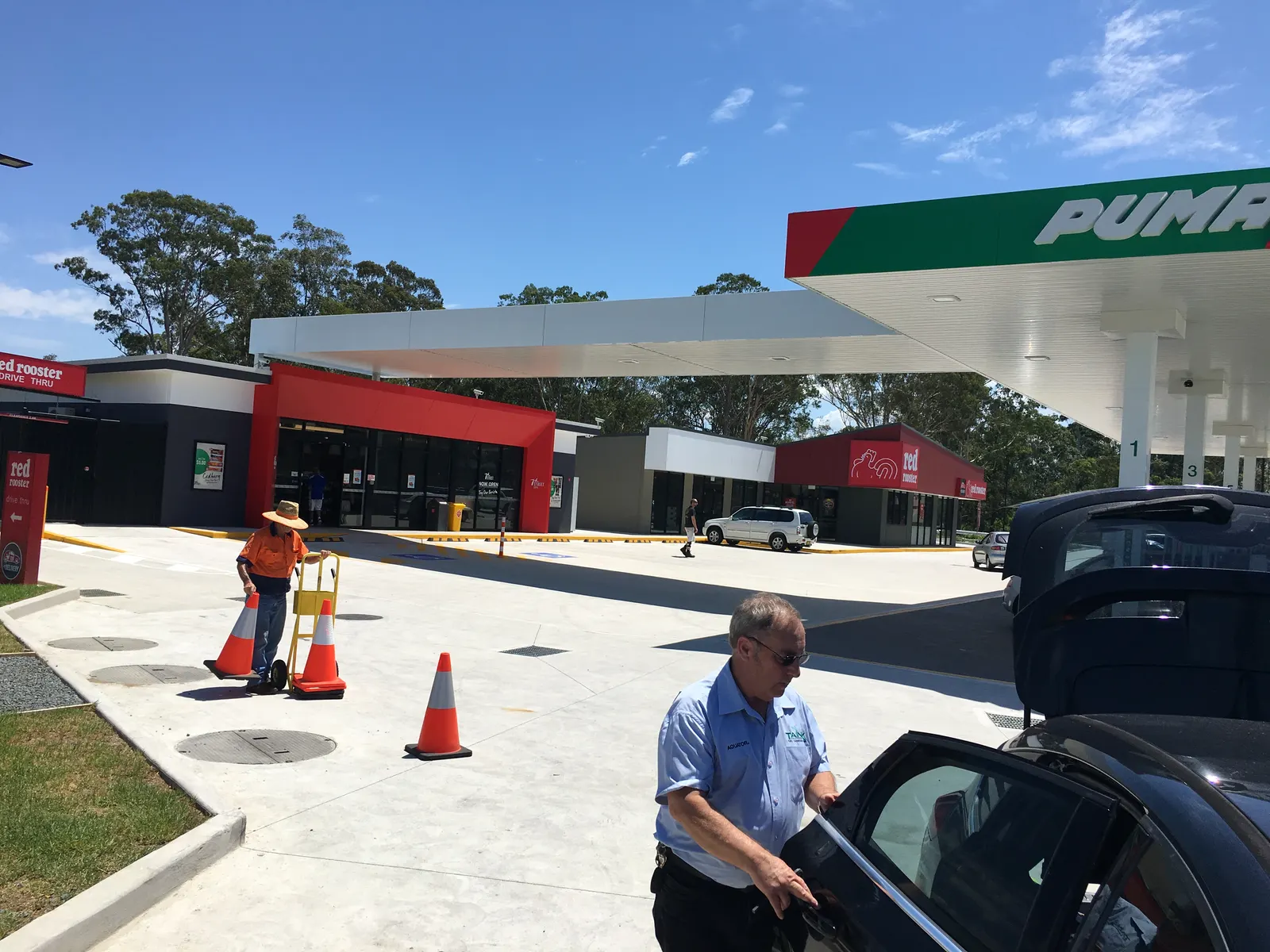
Puma service station, Thornton NSW, 2017
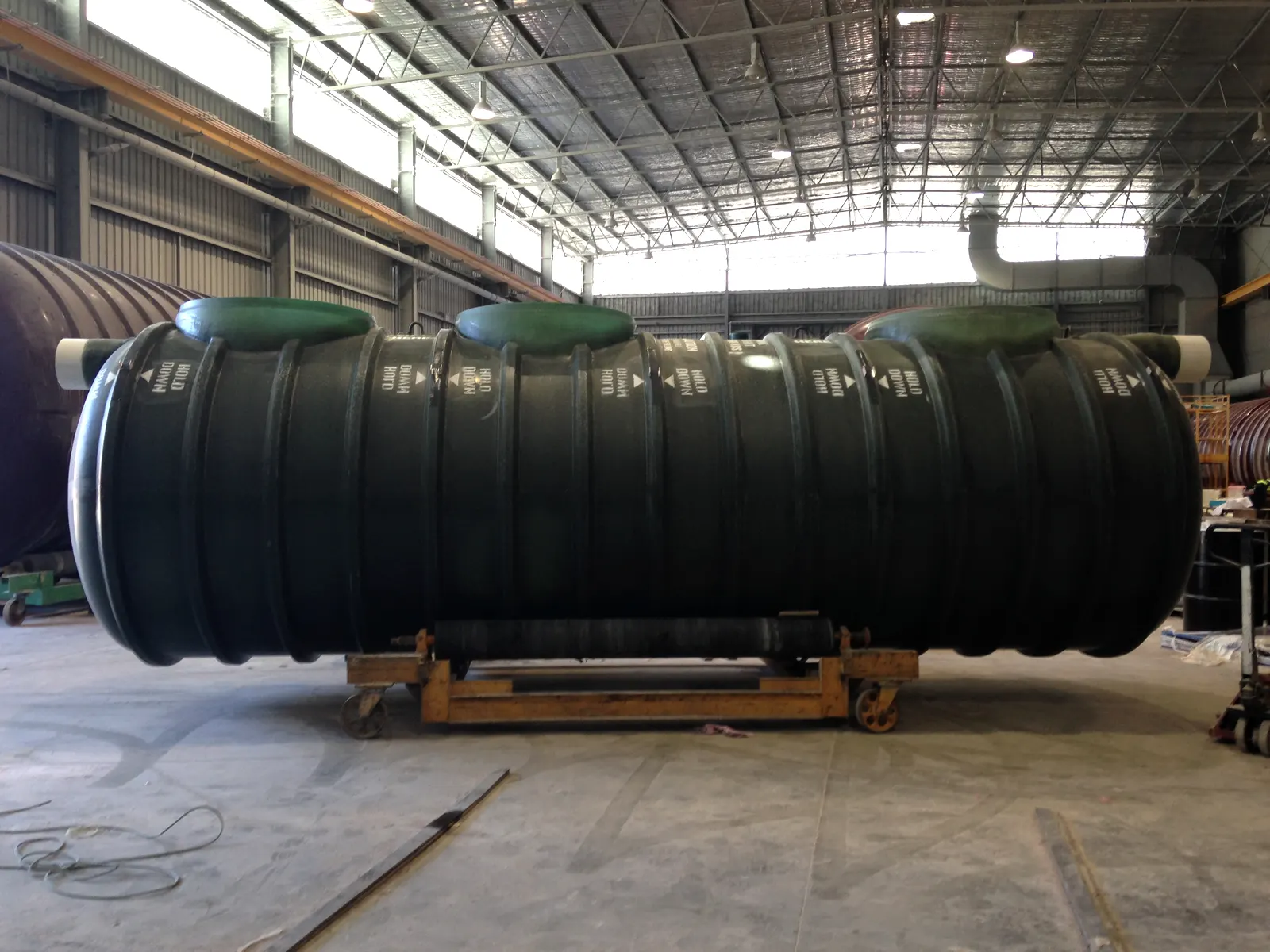
T20 for 7-Eleven Kanwal NSW, 2017
Downloads and support
We can give application and installation advice for your project. Contact our team.
Frequently asked questions
What does an oil and water separator do?
It separates light liquid pollutants, such as fuel and oil, from contaminated wastewater before it reaches the drain. The Aquator is used at service stations, refuelling areas, power stations, substations and switchyards, mining and heavy vehicle maintenance sites, wind farms, waste transfer depots and asphalt plants.
How does the Aquator work?
The Aquator has two chambers in one fibreglass tank. Hydrocarbons and silt are captured and stored in the first chamber. A coalescing filter in the second chamber removes the remaining hydrocarbons, bringing the light liquid content at the outlet below 5mg/L (5ppm). All collected liquid is treated, and no bypassing is possible.
What standard does the Aquator meet?
Aquators are made to meet or exceed the requirements of BS EN 858-1:2002. The Aquator has been through third-party, independent testing to verify that it complies, and is independently tested to make sure it continues to meet it.
What flow rates and spill capacities are available?
Flow rates go up to 50L per second, and spill capture capacity runs from 1,500L to 9,000L as standard. Higher flow rates and spill capacities are possible, and custom-made tanks can be supplied on request.
What happens if there is a large spill?
If there is a significant fuel, oil or hydrocarbon spill, or the oil containment area fills over time, the emergency stop valve activates automatically so the pollutants can't discharge to the drain or waterways.
Does the Aquator need power?
No. The Aquator is gravity operated, so it keeps working at full effectiveness even in a power failure.
Is an oily water separator the same as an oil water separator?
Yes. Oil water separator, oily water separator, oil and water separator and hydrocarbon separator all describe equipment that removes fuel, oil and other light liquids from water before it leaves a site. The Aquator is a Class 1 oil water separator.
What is a Class 1 oil separator?
A Class 1 separator is one made and tested to meet the Class 1 outlet limit in BS EN 858-1. The Aquator is made to meet or exceed BS EN 858-1:2002 and brings the light liquid content at the outlet below 5mg/L (5ppm).
Can the Aquator be used as a wash bay oil separator?
Wash bays are the hardest case for any separator. Detergents, degreasers, hot water and high-pressure washing break oil into fine droplets that gravity and coalescing separators are not designed to remove. Wash water usually goes to sewer, so the local water utility's trade waste requirements decide what treatment a wash bay needs. Check those first, then tell us what will be washed, with what, and at what flow, and we will advise whether an Aquator suits it.
Do I need an oil water separator?
A quick check of whether your site is one where Aquator separators are used.
Request a quote
Tell us the site, the catchment and the flow rate, and our team will recommend the right Aquator.
Or call 02 4964 8270 or email sales@mullaly.com.au