
Sewer and Sewage Pump Stations
WSAA appraised, one-piece fibreglass sewer pump stations, built to your project specification and delivered as packaged pump stations with the pipework fitted.
WSAA appraised sewer pump stations
Mullaly FRP sewage pump stations and emergency storage tanks hold a WSAA (Water Services Association of Australia) product appraisal: PA 1020, Issue 4, published 21 April 2026 and valid to 20 April 2031. The appraisal is listed on the WSAA website, and it is what many councils and water agencies look for before a sewer pump station goes into their network.
The appraisal covers pump stations with external diameters from 1.2m to 4m, for depths up to 14m. Deeper pump stations are available on request.
Mullaly sewer pump stations are designed to WSA 04-2022 (Version 3.2), the Sewage Pumping Station Code of Australia. If you are working through the code for a new station, our pump station design guide covers the main decisions.
What is a sewer pump station?
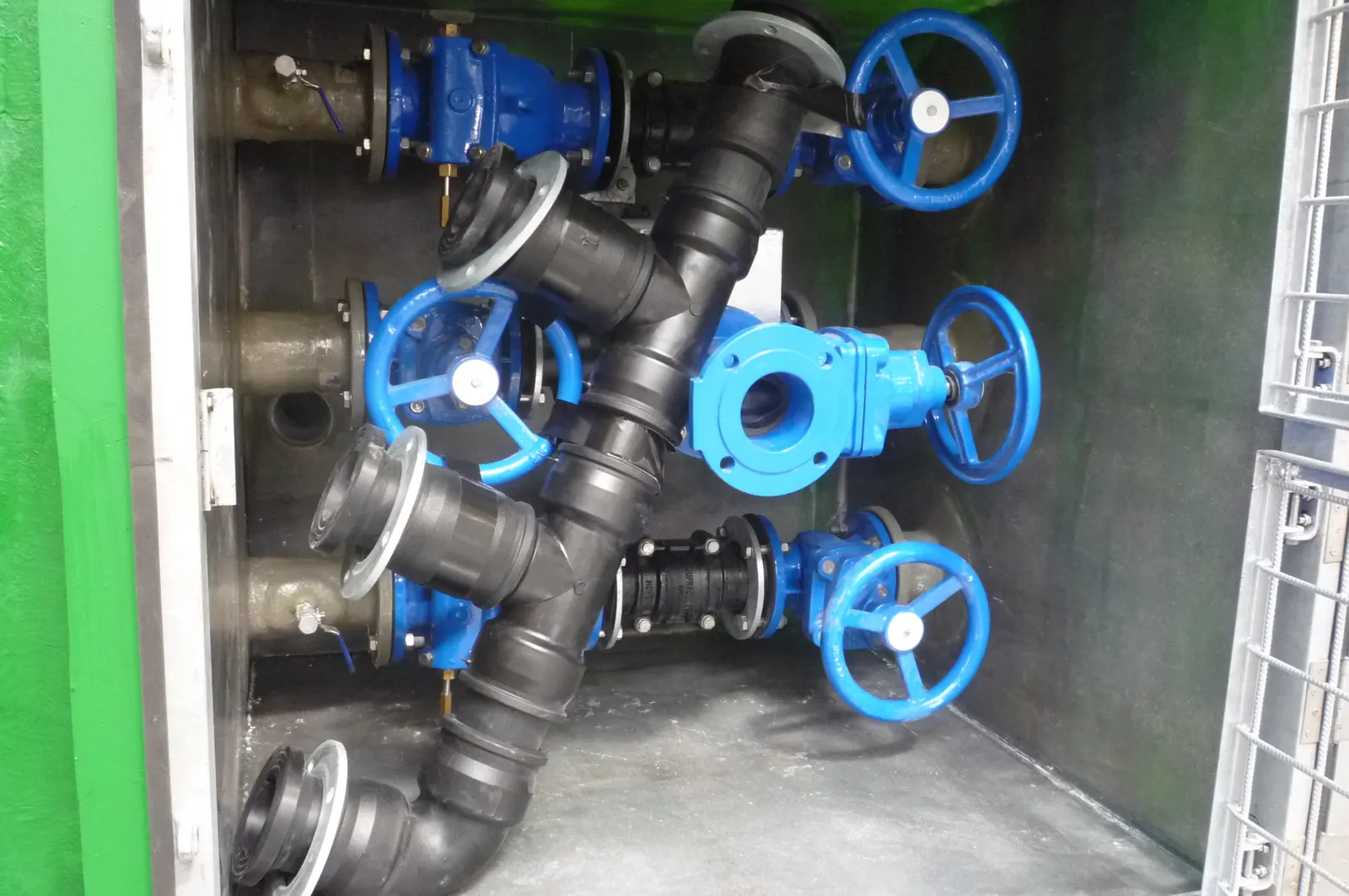
A sewer pump station, also called a sewage pump station or sewage pumping station, collects wastewater where gravity alone can't carry it to the treatment plant or the next sewer main. Sewage flows into a wet well, and submersible pumps lift it into a pressure main once it reaches a set level. A valve pit holds the valves that control and isolate the flow, so they can be reached without entering the wet well.
The three names describe the same structure. "Sewer pump station" is the most common search term, "sewage pumping station" is the term used in the WSA 04 code, and "wastewater pump station" is used by some utilities. "Sewerage" refers to the network of pipes the station serves. Together, the wet well, pumps, valve pit, pressure main and controls make up the sewer pump system.
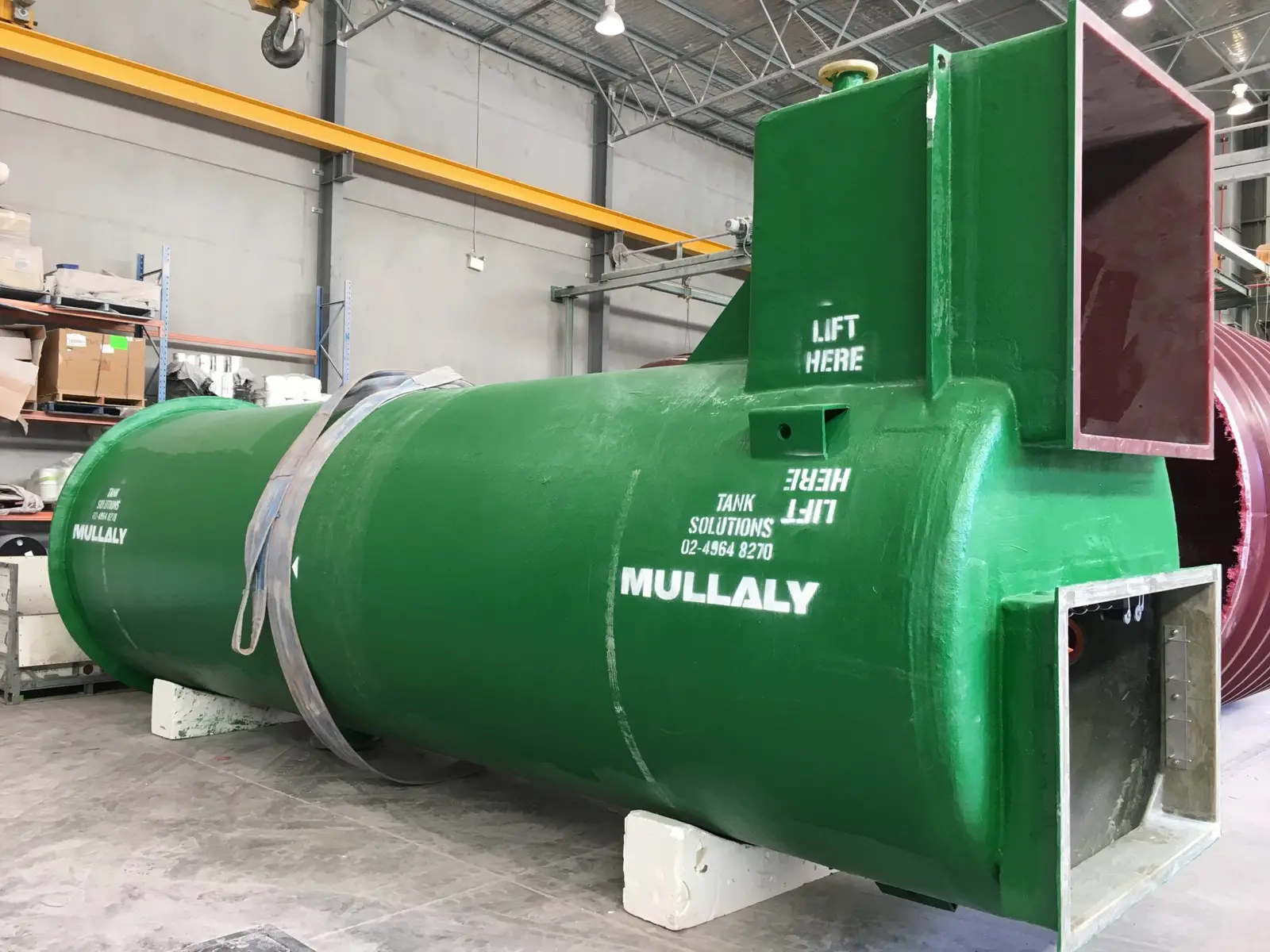
Mullaly has made fibreglass pump stations in Australia for over 30 years. Each one is made in one piece and delivered ready for placement, with the pedestals, guide rails and pipework fitted to the approved project drawings.
Packaged sewage pump stations
A packaged pump station arrives on site as one fitted-out unit, ready to lift into the hole. Mullaly packaged pump stations are made in one piece in the factory and fitted out to the approved project drawings, with the pedestals, guide rails, pipework and valves in place, so there is no joining or sealing on site.
A packaged sewage pump station can be a combo, with the wet well and valve pit in one unit, or a stand-alone wet well with a separate valve pit. At Sydney International Airport Pier B we supplied a wet well, valve pit and macerator combo packaged pump station with two 85kL overflow tanks. We can also help coordinate the pumps and associated equipment through our distribution partners, so the whole sewer pump system comes as one package.
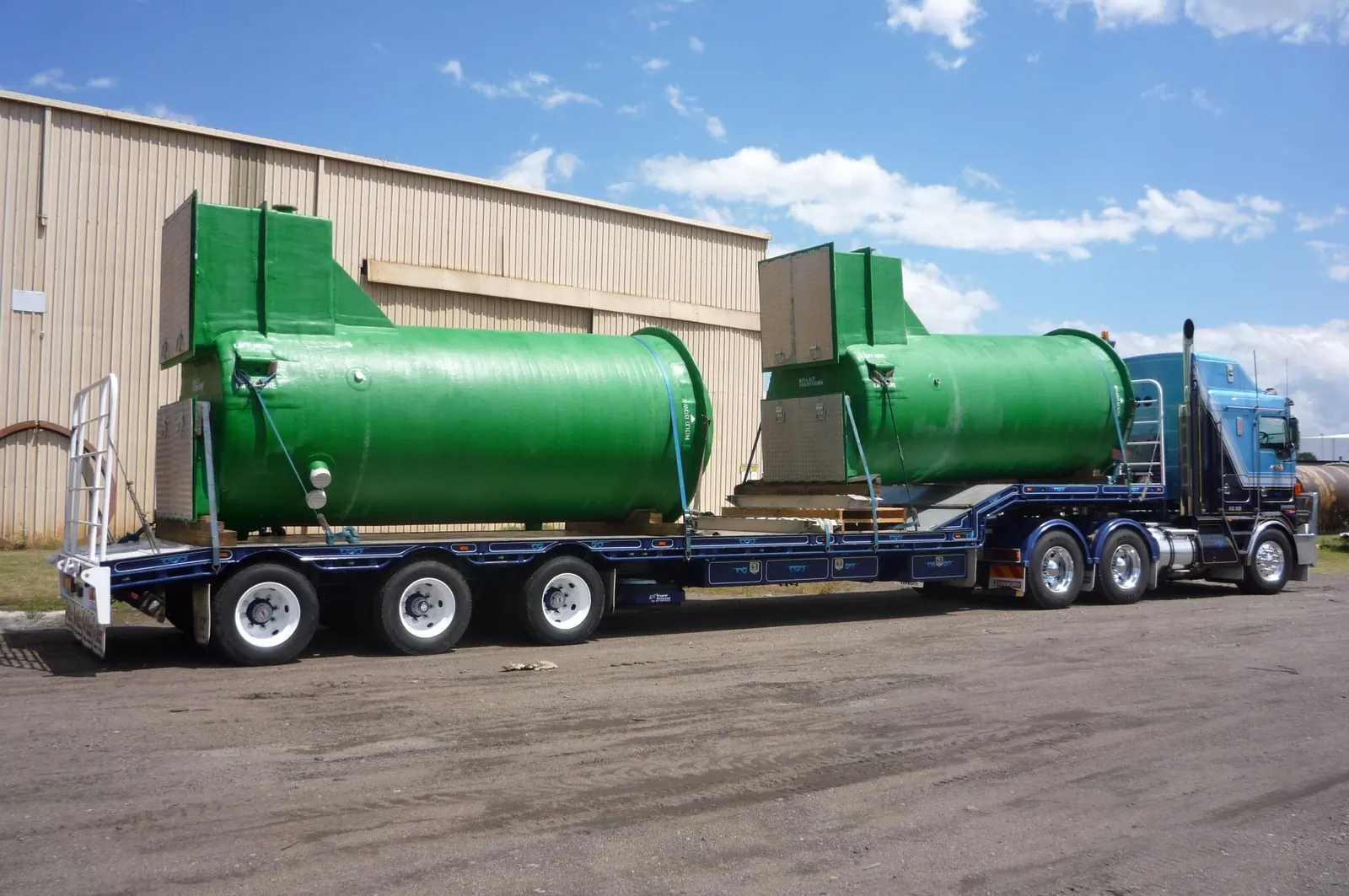
Councils that use Mullaly FRP packaged pump stations include Townsville City Council, Cairns Regional Council and Mackay Regional Council. See named projects below, including Badu Island, Ramingining and Innes Estate.
Sewer pump station configurations
Combo pump station
Wet well and valve pit in one unit. The integral valve chamber shortens excavation and needs less space in the overall design, and there is no differential settlement between the wet well and the valve pit.
Stand-alone wet well
Used where a larger diameter is needed, or where transport limits rule out taking a combo pump station to site. See fibreglass wet wells.
Separate valve pit
Protects pipes and valves from damage and corrosion, and above-ground pipework from vandalism. Options include cast iron or bronze valves, scour and bypass lines if required, and dismantling joints. See valve pits.
Macerator chamber
Breaks solids into smaller pieces before pumping. Supplied at Sydney International Airport Pier B as part of a wet well, valve pit and macerator combo.
Access chambers (manholes)
FRP manholes for gravity sewers, in lengths up to 14m, with watertight inlet and outlet connections.
Emergency storage
Underground fibreglass storage tanks from 5,000L to 150,000L, covered by the same WSAA appraisal as the pump stations. See underground water tanks.
Sewage pump station sizes and specifications
Full details are in the fibreglass pump station technical data sheet (TD_TDS_020).
Standard sewer pump station models
Larger and deeper units are engineered to project.
Why fibreglass for sewer pump stations
Hydrogen sulphide (H2S) gas in sewers forms sulphuric acid, which attacks concrete and corrodes the steel inside it. Mullaly pump stations are made with vinyl ester resin, which resists the corrosive chemicals in sewage, so no internal coating or liner is needed.
Watertight, one-piece construction
Solid wall from top to bottom. A one-piece, factory-made wet well does not rely on sealants applied on site to be watertight, so groundwater stays out and sewage stays in.
Short installation
Installed in as little as a few hours on some projects. At Sydney Airport the pump station went from crane hook to levelled and ready for backfill in under an hour.
Less confined space entry
The station arrives fitted out, so there is less need to enter the wet well or valve pit as a confined space.
Light to handle
Light weight reduces OH&S risk and makes the station easier to install, including on remote sites.
Low maintenance
Smooth walls reduce scum build-up and resist abrasion from suspended grit.
Long service record
Hundreds of installations and no known structural failures in over 30 years.
Sewage pumping stations in use
These Mullaly projects show the range of sites a fibreglass sewer pump station suits.
Innes Estate, Townsville (2007)
A 4.0m diameter, 8.5m deep wet well with a 1.2m high dividing wall forming two pump chambers, plus a separate 2.0m x 1.8m x 1.45m deep valve pit, in sandy ground next to a creek. Less excavation and shoring were needed, and sand could be used as backfill. Read the Innes Estate project.
Ramingining, Northern Territory (1999)
A one-piece pump station for a remote Arnhem Land community, supplied with all internal pipework and fittings in place. Inspected more than 20 years later, its smooth surfaces and stainless steel fittings were in near perfect condition. Read the Ramingining project.
Badu Island, Torres Strait (2010)
A fibreglass pump station for a remote island site, where a station made in one piece and delivered with its pipework fitted means less work on site. Read the Badu Island project.
Where sewage pump stations are used
Mullaly FRP pump stations hold water and wastewater (sewage) and suit a wide range of sites, including:
- Sewage treatment plants
- Subdivisions
- Commercial and industrial complexes
- Hospitals
- Mining and construction sites
- Camping and caravan parks
- Motels and hotels
- Shopping centres
- Sporting facilities
- Schools
Pumping rainwater runoff instead? See our stormwater pump stations. Need emergency storage as well? See our underground water tanks.
Councils that specify Mullaly sewer pump stations
Councils that specify and use Mullaly FRP packaged pump stations include Townsville City Council, Cairns Regional Council, Tablelands Regional Council, Torres Strait Regional Council, Cassowary Coast Regional Council, Whitsunday Regional Council and Mackay Regional Council.
"I would have no hesitation in recommending a Mullaly Fibreglass pump station as we have been installing these for over 15 years and have found the ease of installation, combined with the reduced safety risks and excavation works required make these units an overall cost effective solution and great value for our clients."
Eric Lollo, NQ Excavations
Sewage pump station photos
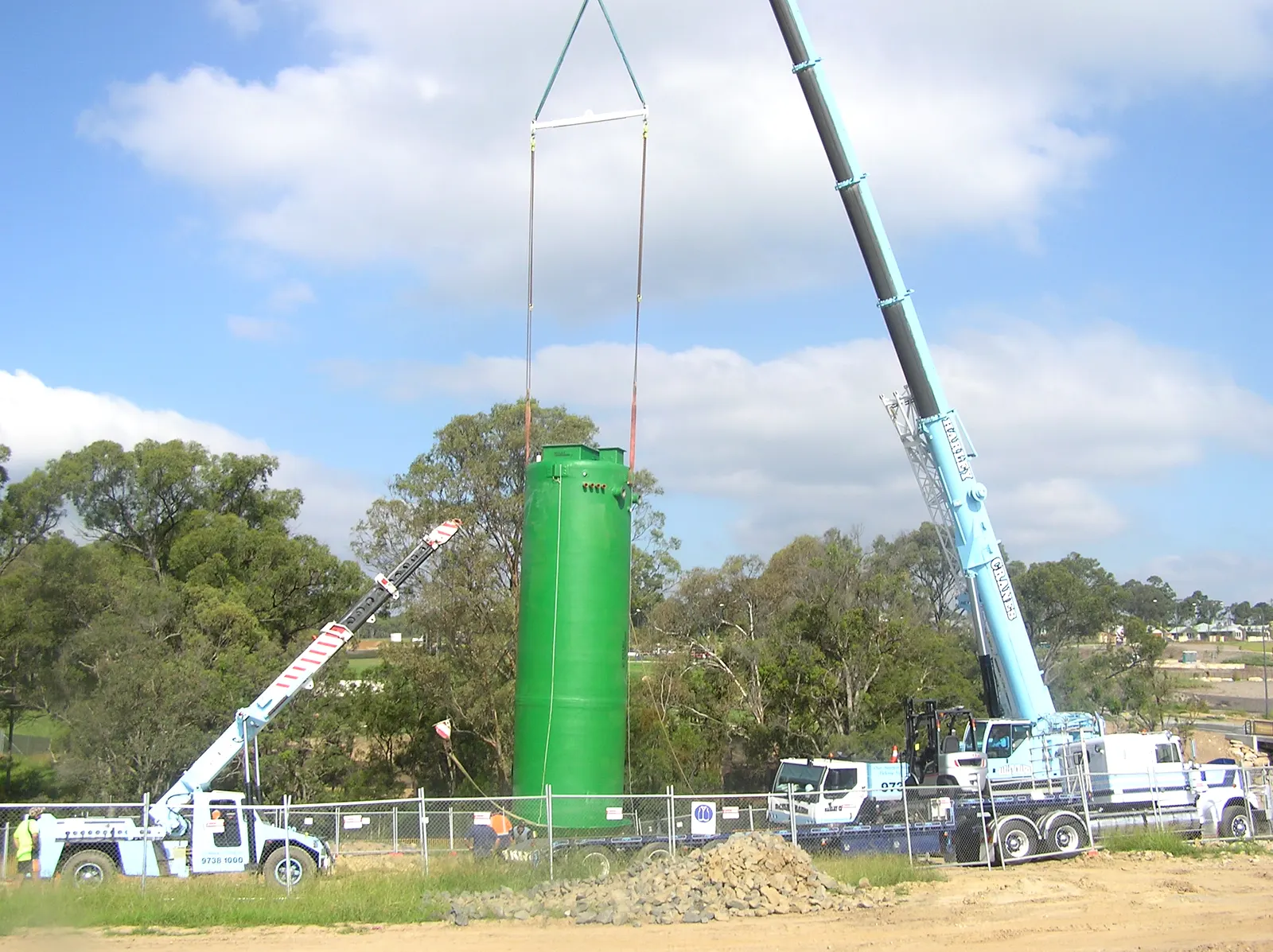
Wet well installation, Wilton NSW, 2008
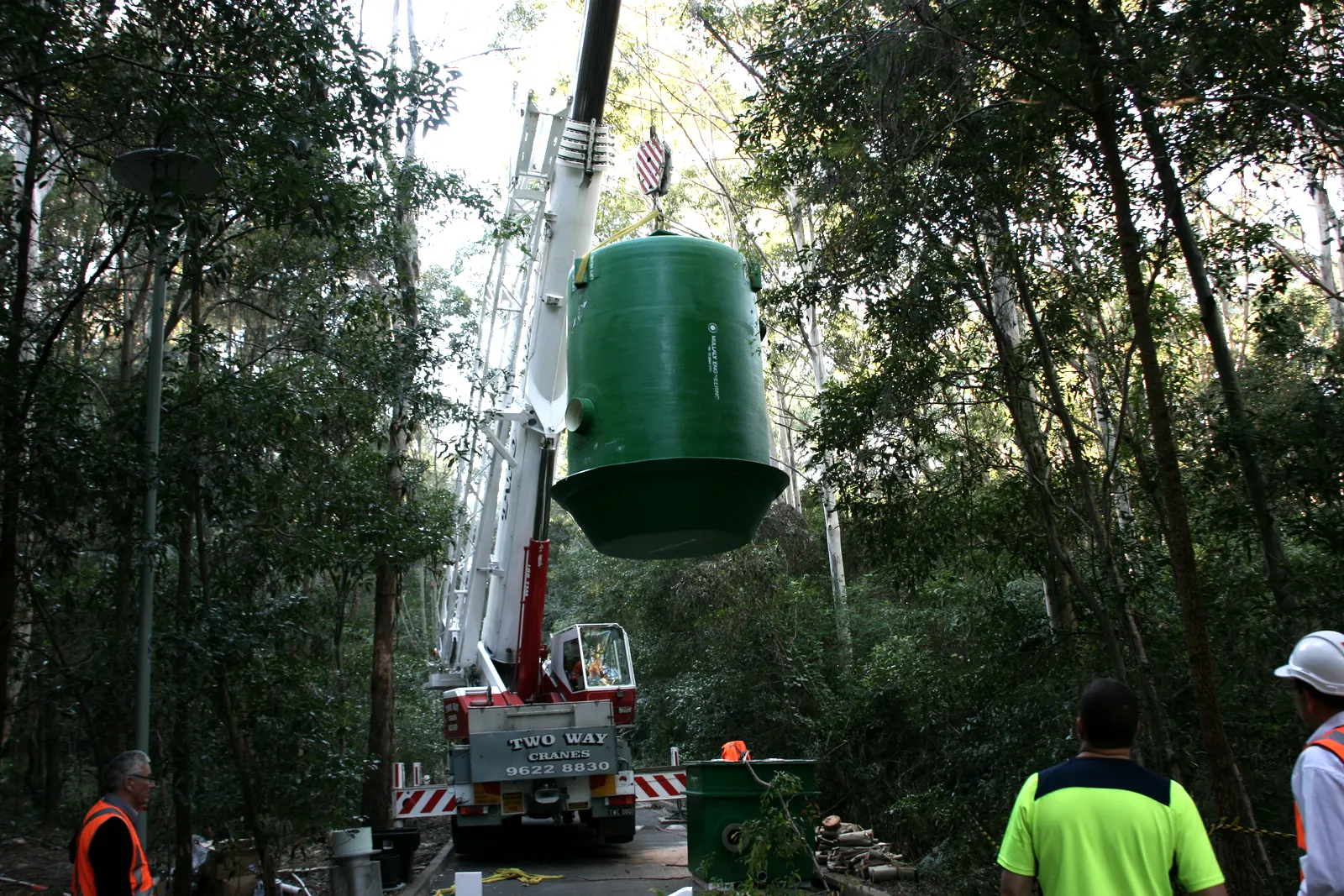
Triple M IBM pump station install, 2012
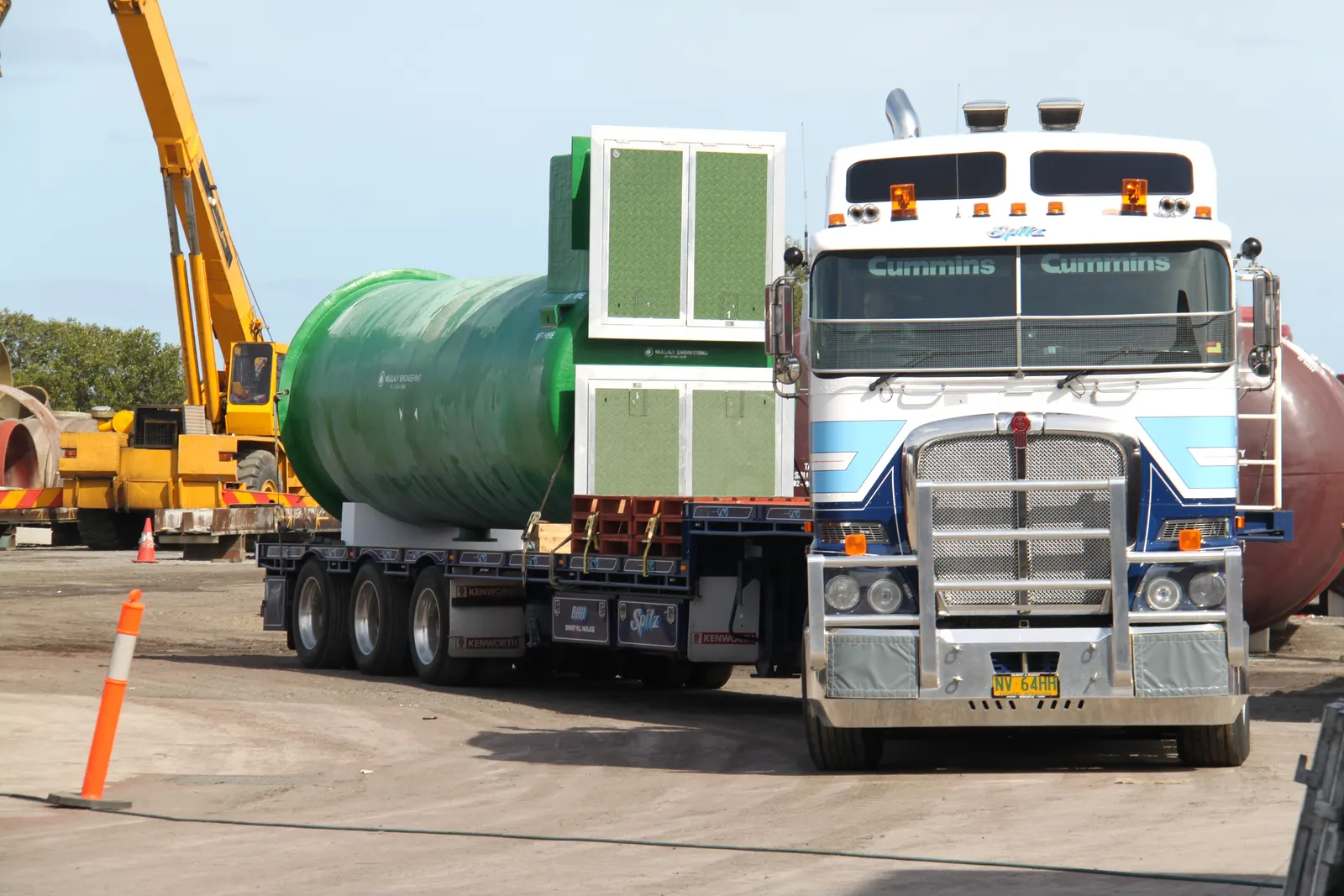
Cairns R3 pump station dispatch, 2014
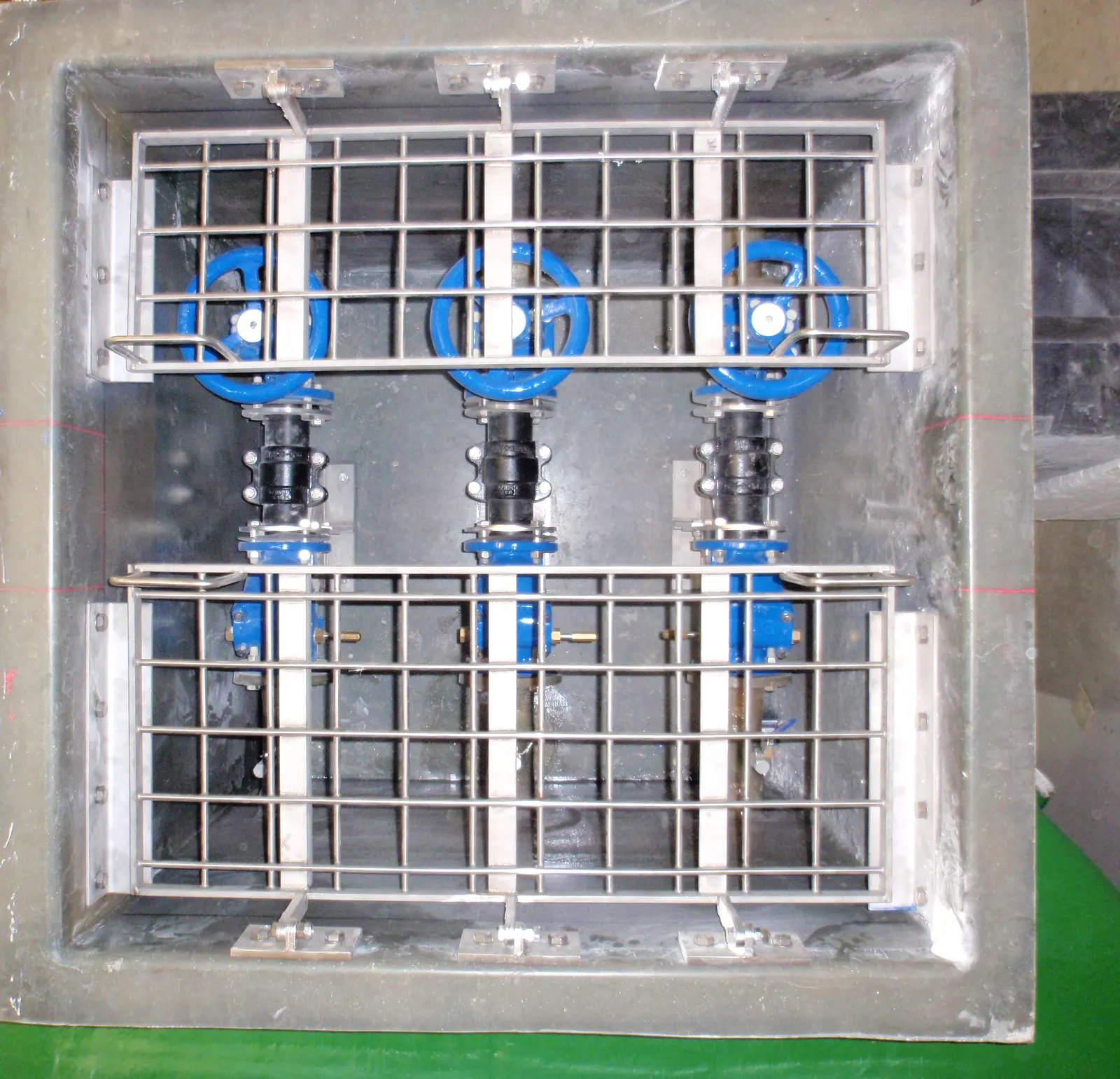
Valve chamber, Sydney Airport job, 2011
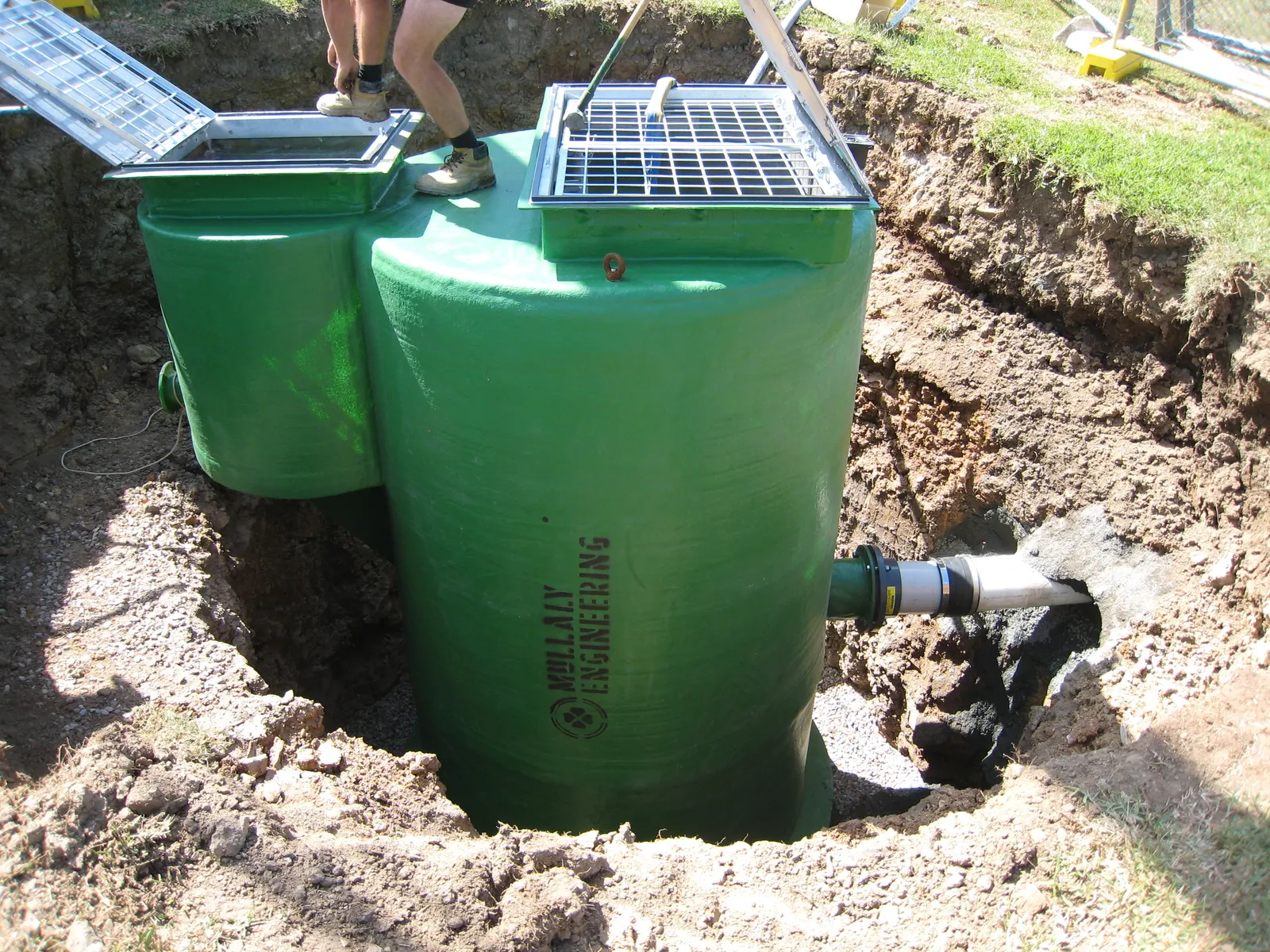
Bingara Estate, Wilton NSW, 2008
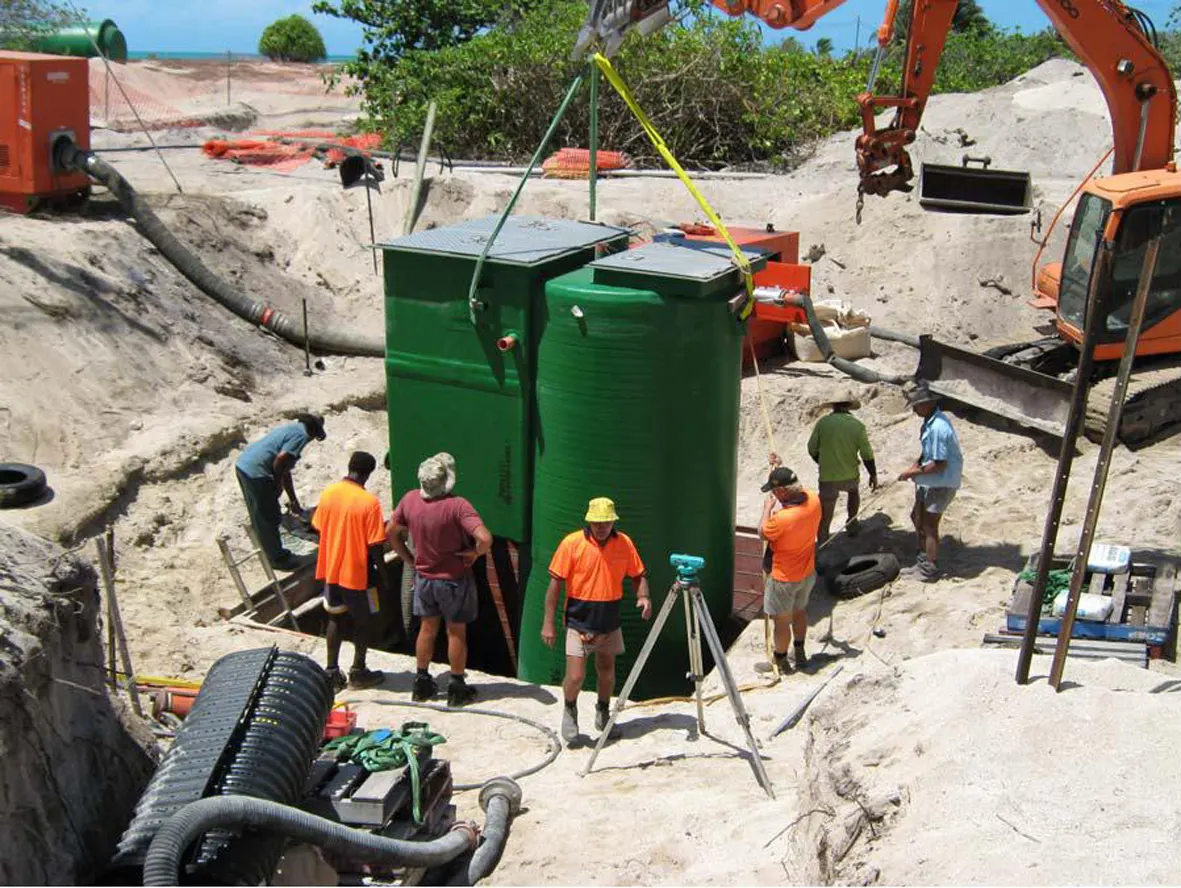
Warraber Island, Torres Strait
Sewer pump station projects
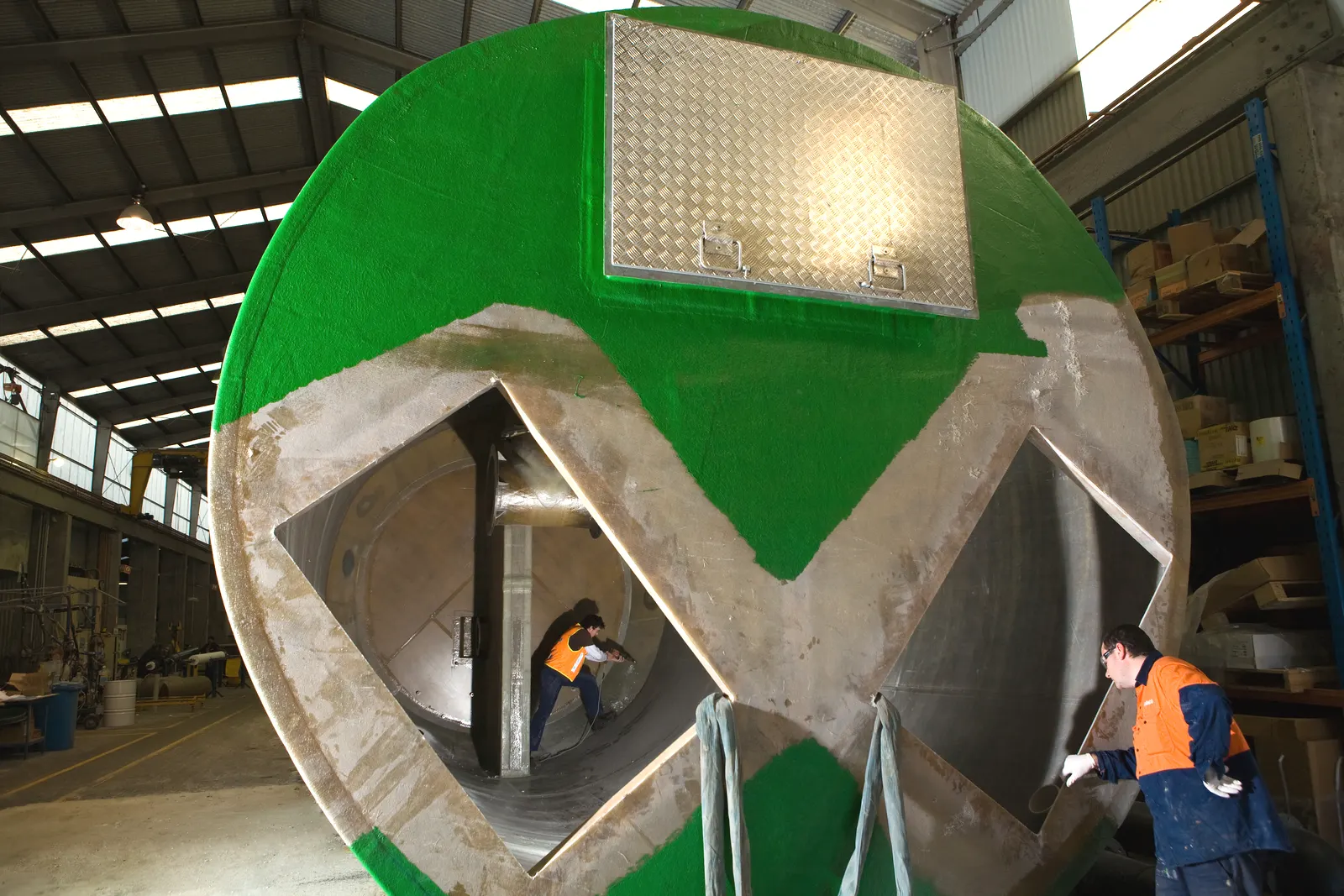
Innes Estate
A 4.0m dia x 8.5m deep wet well and a separate valve pit in sandy ground next to a creek.
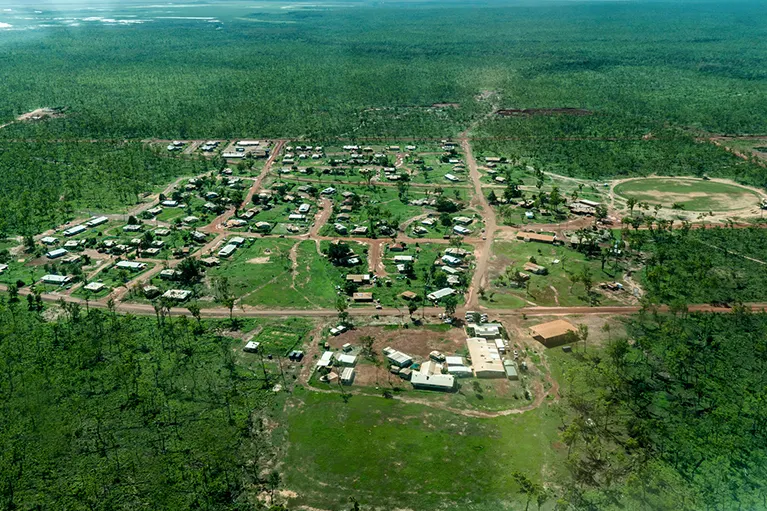
Ramingining Sewage Upgrade
A pump station for a remote Arnhem Land community, still in near perfect condition 20 years later.
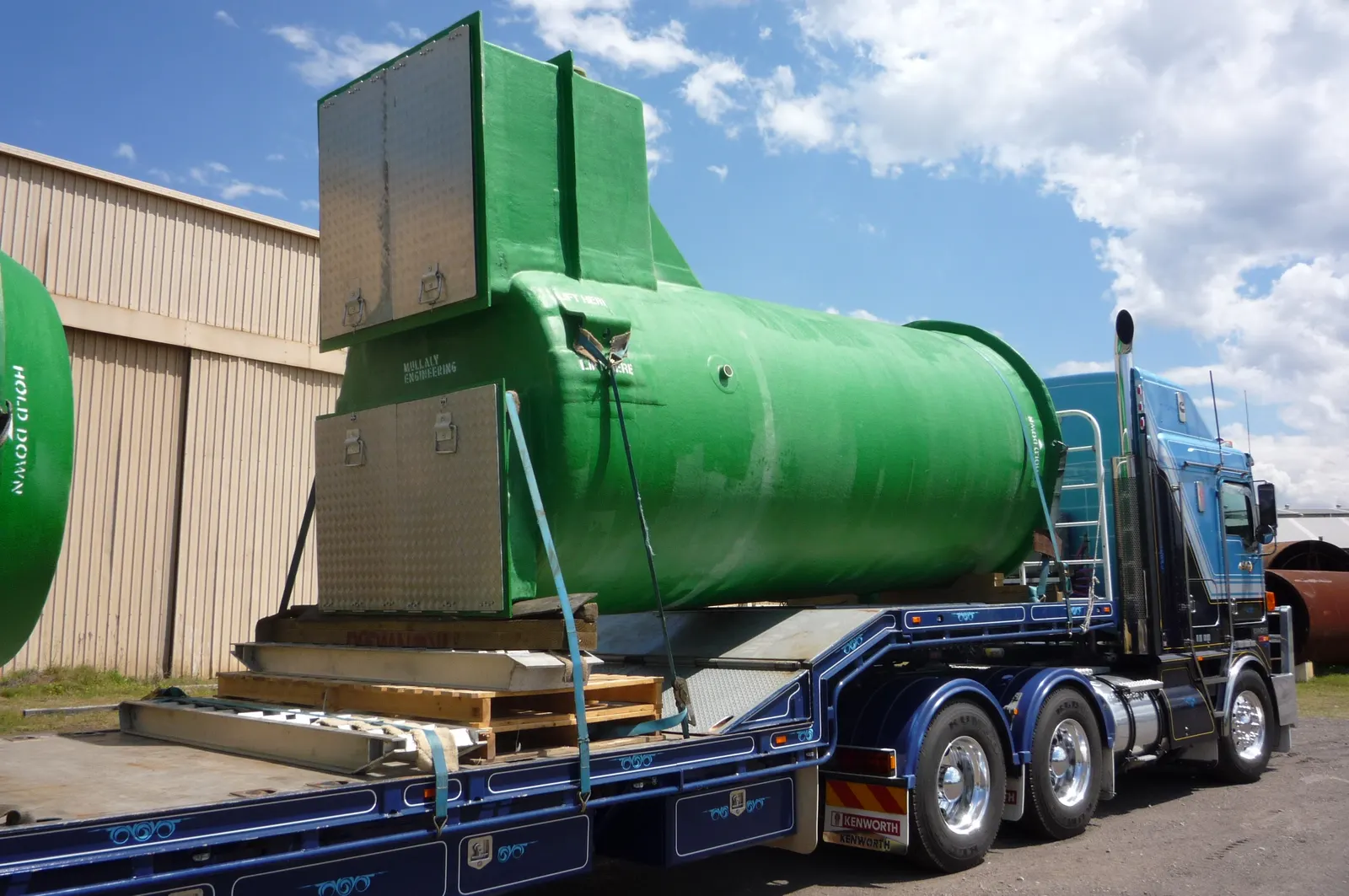
Badu Island Pump Station
A fibreglass pump station for a remote island site in the Torres Strait.

North Queensland Stadium
A 3m diameter, 6.2m deep wet well and valve pit combo, supplied fully fitted out for a busy stadium site.

Sydney Airport Waste Dump Pump Station
A 3.0m dia x 5.0m deep combo on reclaimed land, levelled and ready for backfill in under an hour.
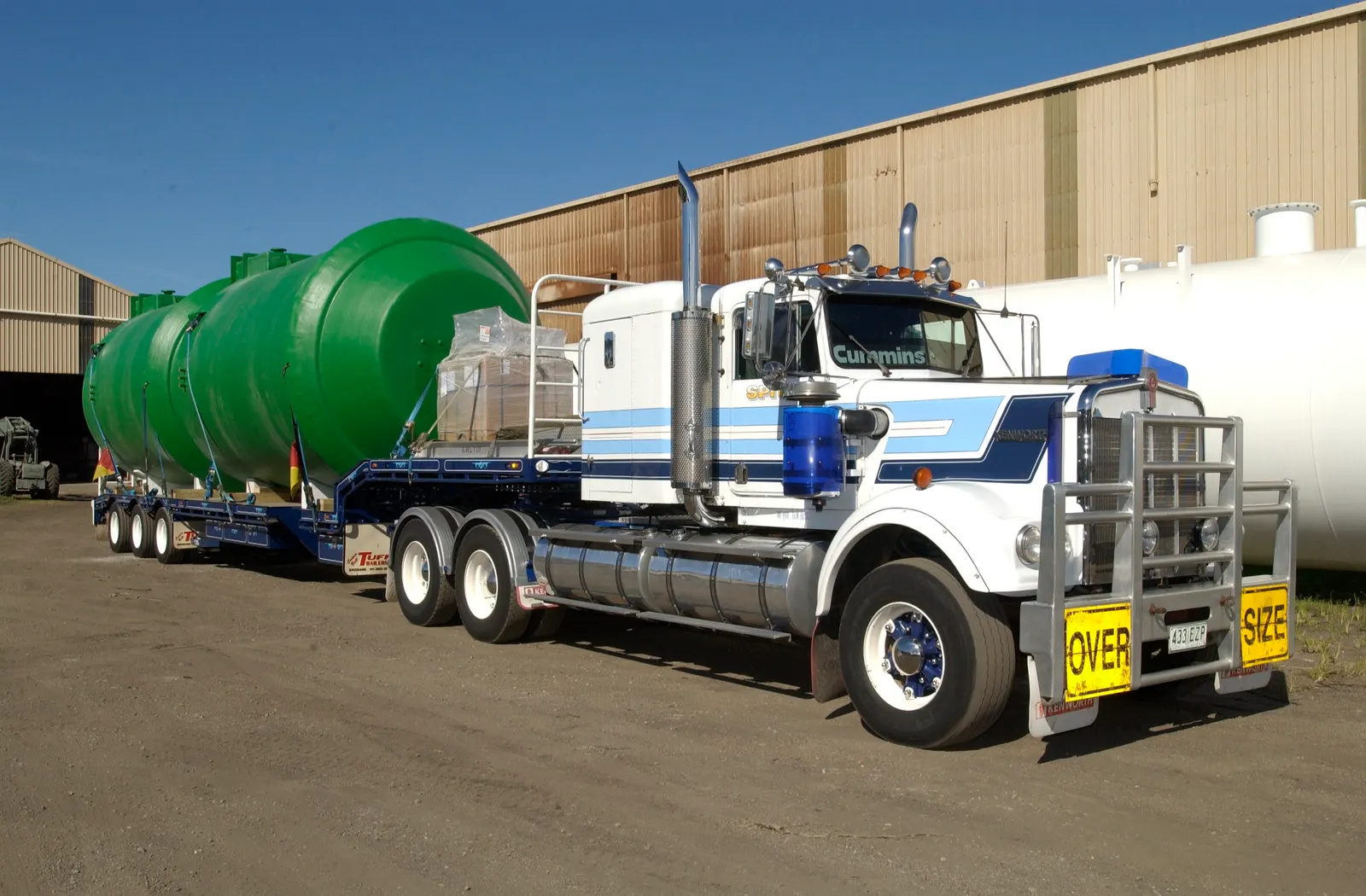
Sino Iron Red River Accommodation Village
Two fitted-out combo pump stations for a mine accommodation village. Installation took under a week.
Sewer pump station questions
Is a sewer pump station the same as a sewage pump station?
Yes. Sewer pump station, sewage pump station, sewage pumping station and wastewater pump station all describe the same thing: a wet well with pumps that lifts wastewater into a pressure main.
What standard do Mullaly sewage pump stations meet?
Mullaly FRP sewage pump stations hold WSAA product appraisal PA 1020 (Issue 4, valid to 20 April 2031) and are designed to WSA 04-2022 (Version 3.2), the Sewage Pumping Station Code of Australia.
How deep can a Mullaly sewer pump station go?
The standard range runs from 2m to 14m deep and 1.2m to 3.75m in diameter. Deeper pump stations are available on request, and larger units are engineered to project.
How long does installation take?
It depends on the site, but a one-piece station is a single lift into the hole. On some projects installation has taken a few hours, and at Sydney Airport the station was craned in, levelled and ready for backfill in under an hour. At the Sino Iron village, installation took under a week, compared with more than six weeks for in-situ concrete.
Is a fibreglass pump station an alternative to a concrete pump station?
Yes. A concrete pump station is poured in situ or made in precast sections that are joined and sealed on site. A Mullaly FRP pump station is made in one piece in the factory and arrives fitted out, ready to lift into the hole. Its vinyl ester resin resists the corrosive chemicals in sewage that attack concrete, so no internal coating or liner is needed.
What is the difference between a wet well and a valve pit?
The wet well holds the sewage and the submersible pumps. The valve pit holds the discharge valves and pipework, kept dry and separate so they can be operated and maintained. They can be one combo unit or two structures.
How much does a sewer pump station cost?
It depends on the diameter, depth, configuration, fit-out and delivery distance. Send us your project specification or drawings and we will quote.
Do you supply the pumps?
We supply the FRP structure fitted out with pipework and valves, and we can help coordinate pumps and associated equipment through our distribution partners as one package.
Downloads
For CAD drawings, ballast calculations or help choosing a sewer pump station, contact our team. We reply within 2 business days.
Download the pump station brochure
Enter your email and the brochure opens straight away. We will also email you the link.
Calculators and tools
Wet well sizing
Cycle volume and emergency storage for each standard diameter.
Sewage overflow cost
What a pump outage would overflow, and the storage to hold it.
Concrete wet well corrosion
When a concrete wet well is due for relining, and the cost.
Concrete or fibreglass wet well quiz
Six questions on how the two compare.
Have a sewer pump station project?
Send us your specification or drawings and our team will come back with a design and quote. We reply to every enquiry within 2 business days.
Or call 02 4964 8270 or email sales@mullaly.com.au